
“In the first place, I ask that men make no reference to my name; let them call themselves Christians, not Lutherans”
-Martin Luther
In the beginning,
we weren’t even called Christians. We were simply Jews who believed that Jesus is the promised Messiah (“Christ”). But when the gospel made its way from Jerusalem to Antioch, and ex-pagan gentiles began to join the church, folk started calling us “Christians” (Acts 11:26). Presumably, because we were always carrying on about Christ. It took.
As decades turned
into centuries, two adjectives became really important: “catholic,” meaning whole (as opposed to part), and “orthodox,” referring to sound teaching (not crooked). A thousand years ago, the eastern side of the church capitalized the “O” and the western half capitalized the “C.” Voila: (Eastern) Orthodoxy, (Roman) Catholicism.
500 years later
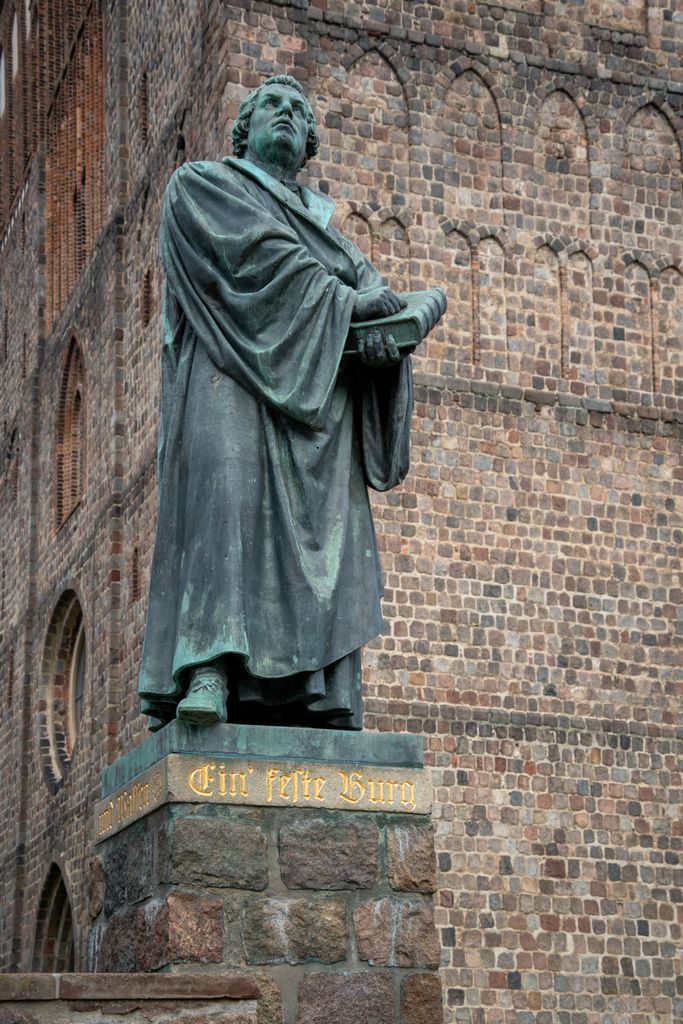
a priest in Catholic Germany became convinced that the church had lost its grip on the good news about grace. He preached and wrote about God’s gift of salvation in Jesus Christ so much that folk started calling the movement he led the gospel-centered church. Or “evangelical,” from the word for gospel in the ancient tongues.
500 years after that
a little flock answered God’s call to form a new (and also very old) church in the heart of Roanoke. A church that is orthodox, catholic, and joyfully preoccupied with the gospel.
Our shorthand for that is “Lutheran.”
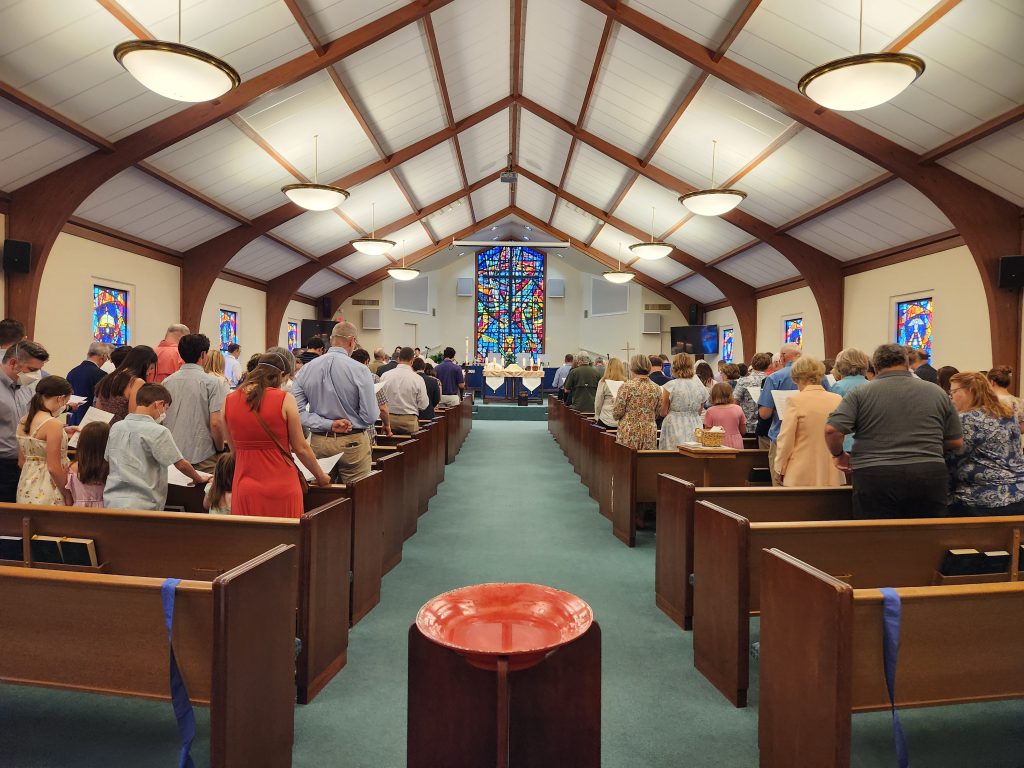
As orthodox, catholic, and evangelical Christians we believe:
The Gospel about Jesus Christ, Son of God and Mary, the one true Savior of the world.
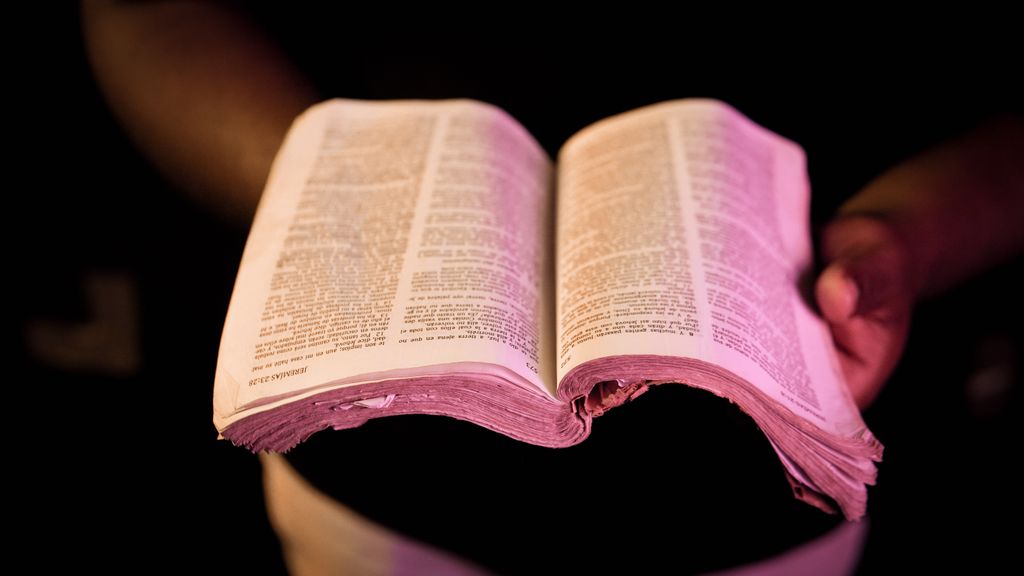
The Bible as the prophetic and apostolic Word of God, truthful and trustworthy, full of live-changing power.
The Creeds of the ancient church, which sum up the orthodox and catholic Faith held by all Christians.
The Augsburg Confession (1530), which explains the stand our evangelical ancestors took at the time of the Reformation and clarifies what the Bible teaches about original sin, justification by faith, the church, and the sacraments.